Loading

08/11/2024
Introduction to Dyslexia: An In-Depth Overview


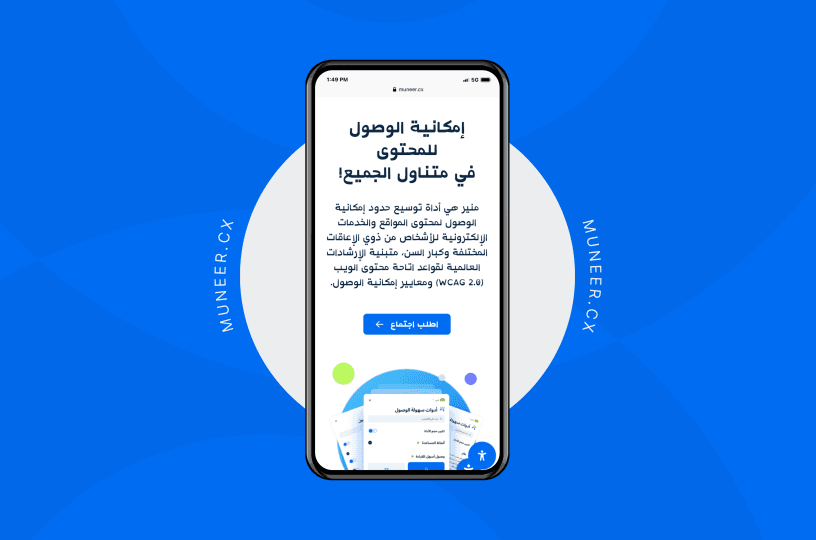
Dyslexia is a specific learning disability with far-reaching impacts, affecting between 5-10% of the global population-around 700 million people-making it one of the most common learning disorders. This neurodevelopmental condition primarily influences reading and language-based processing skills, and while it is commonly misunderstood as a visual impairment, dyslexia is rooted in neurological variations in how the brain processes written language. Dyslexia can affect people from childhood through adulthood, significantly influencing educational outcomes, career prospects, and social interactions. Early diagnosis and intervention can have a transformative impact, as evidenced by studies showing that students with dyslexia who receive tailored educational support are up to 30% more likely to succeed academically compared to those who do not receive specialized help.
Symptoms and Cognitive Challenges Associated with Dyslexia
Dyslexia's symptoms are diverse, and they often include the following core challenges: • Difficulty with Word Recognition: Dyslexia affects the brain's ability to decode written words quickly, which reduces fluency and comprehension. Studies reveal that individuals with dyslexia read at a speed of 10-20% slower than their peers, which often contributes to academic and professional frustration. • Challenges with Phonological Processing: The phonological aspect of dyslexia can make breaking down words into sounds difficult, leading to struggles with spelling, pronunciation, and word retention. • Slow Reading Speed and Poor Comprehension: Data from the National Center for Learning Disabilities (NCLD) show that students with dyslexia spend an average of twice as long on reading tasks than their peers, making it challenging to keep up with assignments or workplace demands. • Problems with Memorization and Retention: Many individuals with dyslexia face working memory challenges, which can impact their ability to retain information, follow sequences, and remember detailed instructions. Up to 75% of individuals with dyslexia report issues with short-term memory retention, which can add stress to daily tasks and interactions. These symptoms arise from underlying cognitive challenges, such as difficulties in phonological processing (interpreting sounds within words), rapid visual-verbal processing, and working memory limitations. Together, these challenges create barriers that extend beyond reading alone, often leading to social difficulties, decreased self-confidence, and frustration with everyday tasks.
Dyslexia's Impact on Learning and Daily Life
The influence of dyslexia reaches beyond academic performance. Over 60% of students with dyslexia experience issues with self-esteem, which can persist into adulthood and lead to anxiety, depression, and even social isolation. Because reading is integral to many aspects of life, individuals with dyslexia may feel discouraged from pursuing higher education, advancing in their careers, or engaging in social activities. For example, research indicates that only 34% of students with dyslexia attend post-secondary institutions, compared to 51% of students without disabilities. In professional settings, dyslexia can also pose challenges, such as difficulties with reading reports, drafting written communications, or following detailed instructions. In fact, a study from the British Dyslexia Association shows that nearly 40% of adults with dyslexia feel limited in their career progression due to literacy challenges. This highlights the need for accessible and inclusive practices in both educational and professional environments.
Navigating the Digital World with Dyslexia: Unique Challenges
The digital landscape presents new obstacles for individuals with dyslexia, who often face specific challenges that make online navigation difficult. With an estimated 90% of workplaces and educational environments now relying on digital platforms for communication and collaboration, the urgency for dyslexia-friendly web accessibility is clearer than ever. Here are some of the main challenges individuals with dyslexia face online:
- Complex, Crowded Interfaces: Many websites present information in complex layouts with crowded elements, making it hard for dyslexic users to find relevant information. Research from WebAIM found that 47% of individuals with cognitive disabilities avoid certain websites due to overly complex layouts or confusing interfaces.
- Poor Font Choices and Formatting: Dyslexic individuals often find certain fonts, such as those with narrow spacing or decorative elements, challenging to read. Studies show that using dyslexia-friendly fonts, such as OpenDyslexic or Lexend, can improve reading speed by up to 27%, enhancing comprehension and user experience.
- Dense Blocks of Text: Without clear visual breaks, long paragraphs can be especially challenging. Research indicates that over 70% of people with dyslexia find reading large blocks of text exhausting and are more likely to abandon lengthy digital content altogether.
- Low Contrast and Distracting Backgrounds: Visual clarity is essential, yet approximately 25% of digital platforms lack adequate color contrast, making reading even harder for dyslexic users.
- Absence of Text-to-Speech Options: Text-to-speech (TTS) tools can transform the reading experience, allowing dyslexic users to process information audibly. However, only 15% of major websites currently offer integrated TTS options, limiting accessibility.
- Navigating Forms and Interactive Elements: Digital forms, drop-down menus, and interactive elements can become significant obstacles without clear instructions and logical layouts. About 60% of dyslexic individuals report difficulties completing online forms, especially when instructions are lengthy or unclear. These barriers limit the ability of dyslexic individuals to interact with digital content effectively, which can impact educational access, professional advancement, and even social interaction. As digital platforms continue to shape our daily lives, making the internet accessible for dyslexic users is essential. The Critical Need for Dyslexia-Friendly Accessibility Tools To build a truly inclusive digital landscape, web design and accessibility tools must accommodate dyslexic users. These tools not only improve functionality for dyslexic individuals but also enhance usability for all users, creating a more intuitive and comfortable experience.
Key Accessibility Tools for Dyslexia-Friendly Digital Design
- Customizable Text Display Options: Research supports the benefits of customizable text displays, with dyslexia-friendly fonts improving reading accuracy by up to 35% for some users. Allowing dyslexic users to customize font type, size, line spacing, and background colors improves readability and user comfort.
- Text-to-Speech (TTS) Functionality: TTS tools allow users to listen to text, which can help dyslexic individuals process information. Studies show that TTS usage can improve comprehension rates for dyslexic readers by 20-30%, making it easier to absorb content without visual fatigue.
- Clear and Simple Navigation Layouts: Dyslexic users benefit from clean, organized layouts with clear navigation paths. Digital platforms that prioritize simplicity, using visual aids like headings and bullet points, support cognitive processing. A streamlined design can reduce navigation time by up to 50% for users with dyslexia.
- Interactive and Visual Aids: Visual content, such as icons, infographics, and images, helps dyslexic users interpret information more easily. Around 65% of dyslexic individuals report improved comprehension when visual aids accompany text, highlighting the importance of using alternative content forms to enhance understanding.
- Adjustable Contrast and Background Colors: Dyslexic users often benefit from high contrast or personalized color settings. Providing customizable options for contrast and background colors can improve reading comfort by up to 40%.
- Reading Progress Indicators and Line Guides: Dyslexic users can lose their place when reading lengthy texts, but visual aids like progress bars and line guides help users stay on track, improving reading speed and reducing fatigue.
- Simplified Language and Readability: Many dyslexic users benefit from plain language and clear sentence structures. Readability adjustments can increase comprehension rates by up to 25%, reducing the cognitive load required to process information.
Building an Inclusive Web: The Impact of Dyslexia-Friendly Design
Incorporating these accessibility tools promotes a more inclusive digital experience, ensuring that dyslexic individuals can engage with online content more fully. A dyslexia-friendly design also benefits a range of other users, including those with cognitive challenges, ESL learners, and older adults.
Conclusion: A Call to Action for Web Accessibility
With nearly 90% of everyday tasks becoming digital in the modern world, prioritizing web accessibility for dyslexic users is more important than ever. Understanding dyslexia's unique challenges and incorporating tailored accessibility tools in digital design can create an inclusive web that empowers all users. Thoughtful and inclusive design enhances the digital experience, enabling individuals with dyslexia to engage with content more confidently and equally, ultimately contributing to a more accessible and equitable digital world.
Related articles
View all articles
08/11/2024
ADHD: Attention Deficit & Hyperactivity Disorder
04/08/2024
International Indicators: Achieving Compliance with Muneer
Digital inclusion is no longer just a buzzword; it has become a necessity of paramount importance. This is reflected in its significant influence on numerous local and internationa…
29/07/2024
Digital Social Responsibility
In our current digital era, the concept of social responsibility extends beyond traditional charitable acts and ethical business practices to embrace digital social responsibility.…
24/07/2024
Robustness: The Core of Digital Sustainability
The importance of ensuring web content accessibility for all users, regardless of the devices they use or the assistive technologies they rely on, is paramount. The principle of "R…
24/07/2024
Understandability: The Essence of Clear Interaction
The principle of "Understandability" in the Web Content Accessibility Guidelines (WCAG) 2.1 is crucial for achieving this goal. It mandates that content be clear and simple, allowi…
24/07/2024
The principle of "Operability"
Ensuring that web content is easily and efficiently operable for everyone is essential. The principle of "Operability," one of the foundational principles of the Web Content Access…
24/07/2024
Concept of Perceptibility
"Perceptibility" is one of the fundamental principles in the Web Content Accessibility Guidelines (WCAG), aimed at ensuring that web content is presented in ways that users with va…
24/07/2024
Global Accessibility Awareness Day (GAAD)
On Global Accessibility Awareness Day (GAAD), we are reminded that the web is more than just a collection of technologies and information-it is a gateway to knowledge, equality, an…
24/07/2024
Commitment to WCAG Standards: A Scientific Perspective on Web Accessibility
The concept of web accessibility has gained significant momentum in academic and technological communities. The Web Content Accessibility Guidelines (WCAG), developed by the Web Ac…
