Loading

24/07/2024
Commitment to WCAG Standards: A Scientific Perspective on Web Accessibility


The concept of web accessibility has gained significant momentum in academic and technological communities. The Web Content Accessibility Guidelines (WCAG), developed by the Web Accessibility Initiative (WAI) under the World Wide Web Consortium (W3C), serve as the cornerstone in efforts to ensure the web is accessible to everyone. These guidelines are designed to make web content accessible to a broader range of people, including those with disabilities ranging from visual and auditory to cognitive impairments. Research in the field of web accessibility shows that implementing WCAG standards is not just a matter of legal compliance but also a crucial component of social inclusion and ethical responsibility. Studies, such as the one conducted by Lazar, J., Goldstein, D.F., and Taylor, A. (2015) in their work "Ensuring Digital Accessibility through Process and Policy," provide comprehensive insights on how accessibility impacts user experience and satisfaction. These studies argue that accessible websites significantly enhance usability for all users, not just those with disabilities, thus supporting the theory of universal design. WCAG guidelines are organized under four principles: perceivability, operability, understandability, and robustness (POUR), which address the fundamental components of user interaction with disabilities on the web. Studies have shown that compliance with these guidelines improves the overall user experience, leading to enhanced interaction metrics and potentially higher rankings in search engine optimization (SEO) as sites that accommodate a broader user base tend to have lower bounce rates and longer engagement times. In the context of digital accessibility solutions, Muneer emerges as a leading tool developed by Shared Technologies. This tool is designed not only to meet WCAG standards but to exceed them, integrating over 35 features that cater to a variety of accessibility needs across more than 120 languages. The development process of Muneer reflects a deep understanding of WCAG principles and the needs of all types of users, thereby achieving the principle of digital inclusivity for people with various disabilities. The importance of digital inclusivity is highlighted not only through ethical and legal considerations but also through the practical benefits of expanding access. Tools like Muneer demonstrate the feasibility and effectiveness of implementing comprehensive accessibility solutions that benefit all users. By leveraging these advanced technologies, organizations can ensure compliance with WCAG standards and contribute to a more inclusive digital world.
Related articles
View all articles
08/11/2024
ADHD: Attention Deficit & Hyperactivity Disorder
08/11/2024
Introduction to Dyslexia: An In-Depth Overview
Dyslexia is a specific learning disability with far-reaching impacts, affecting between 5-10% of the global population-around 700 million people-making it one of the most common le…
04/08/2024
International Indicators: Achieving Compliance with Muneer
Digital inclusion is no longer just a buzzword; it has become a necessity of paramount importance. This is reflected in its significant influence on numerous local and internationa…
29/07/2024
Digital Social Responsibility
In our current digital era, the concept of social responsibility extends beyond traditional charitable acts and ethical business practices to embrace digital social responsibility.…
24/07/2024
Robustness: The Core of Digital Sustainability
The importance of ensuring web content accessibility for all users, regardless of the devices they use or the assistive technologies they rely on, is paramount. The principle of "R…
24/07/2024
Understandability: The Essence of Clear Interaction
The principle of "Understandability" in the Web Content Accessibility Guidelines (WCAG) 2.1 is crucial for achieving this goal. It mandates that content be clear and simple, allowi…
24/07/2024
The principle of "Operability"
Ensuring that web content is easily and efficiently operable for everyone is essential. The principle of "Operability," one of the foundational principles of the Web Content Access…
24/07/2024
Concept of Perceptibility
"Perceptibility" is one of the fundamental principles in the Web Content Accessibility Guidelines (WCAG), aimed at ensuring that web content is presented in ways that users with va…
24/07/2024
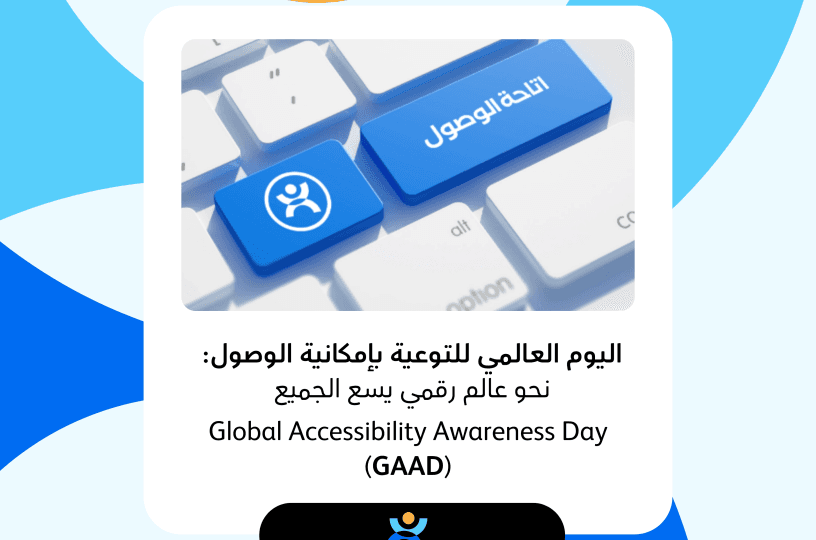
Global Accessibility Awareness Day (GAAD)
On Global Accessibility Awareness Day (GAAD), we are reminded that the web is more than just a collection of technologies and information-it is a gateway to knowledge, equality, an…
